Complete Local SEO Guide 2026: Website, GBP, Backlinks
Complete Local SEO Guide 2026: Website, GBP, Backlinks
Search Engine Optimization (SEO) has always been a cornerstone of digital marketing, but for local businesses, mastering Local SEO in 2026 is more critical than ever. With the increasing prominence of AI-enhanced search tools and changing trends in user behavior, small to midsized businesses need to adopt a strategic approach to maintain visibility. This article will break down the essentials of local SEO, focusing on the three foundational pillars: your website, Google Business Profile (GBP), and backlinks. You’ll also learn how to track results effectively, perform keyword research, and navigate the evolving landscape of AI-driven search.
If you’re a business owner, marketer, or agency aiming to optimize your local SEO without breaking the bank, this guide is designed for you. Let’s dive into actionable insights that will position your business for success in 2026.
Why Local SEO Matters in 2026
Local SEO is no longer just about appearing in Google’s search results. With tools like ChatGPT and other AI-powered platforms increasingly influencing search behavior, businesses must ensure their online presence is optimized across multiple channels. Whether it’s showing up in Google’s Map Pack, organic search rankings, or AI-assisted recommendations, effective local SEO can drive more traffic, generate leads, and ultimately increase revenue.
The "3-2-1" Framework for Local SEO Success
The content of the video centers on a simple yet effective framework for understanding local SEO:
- The Three Essential Pillars: Website, Google Business Profile, and Backlinks.
- Two Must-Do Front-End Tasks: Tracking results and conducting keyword research.
- The One Secret: AI search is fundamentally linked to traditional SEO, but the approach must evolve to account for AI-driven recommendations.
Let’s unpack each of these in detail.
sbb-itb-0f47b19
1. Optimize Your Website for Local Search
Your website remains the bedrock of your online presence, and getting it right is essential for local SEO success. Here’s what you need to focus on:
Dedicated Pages for Services and Locations
Creating dedicated pages for each service and ensuring they are optimized with geographically relevant keywords is key. For example, a roofing company offering services in Denver should have specific pages targeting "metal roofing in Denver" or "asphalt shingles in Denver." This aligns your content with the keywords people are searching for in your area.
On-Page SEO Best Practices
To improve relevancy, make sure to:
- Include primary and secondary keywords naturally within your content.
- Use descriptive title tags, meta descriptions, and header tags.
- Optimize location pages for the areas you serve.
Why Website Optimization Matters
Google relies heavily on relevancy and authority to rank websites. By telling Google what you do (your services) and where you do it (your location), you create the foundation for appearing in search results. This is especially important as AI search tools increasingly depend on your website’s clarity when making recommendations.
2. Maximize Your Google Business Profile (GBP)
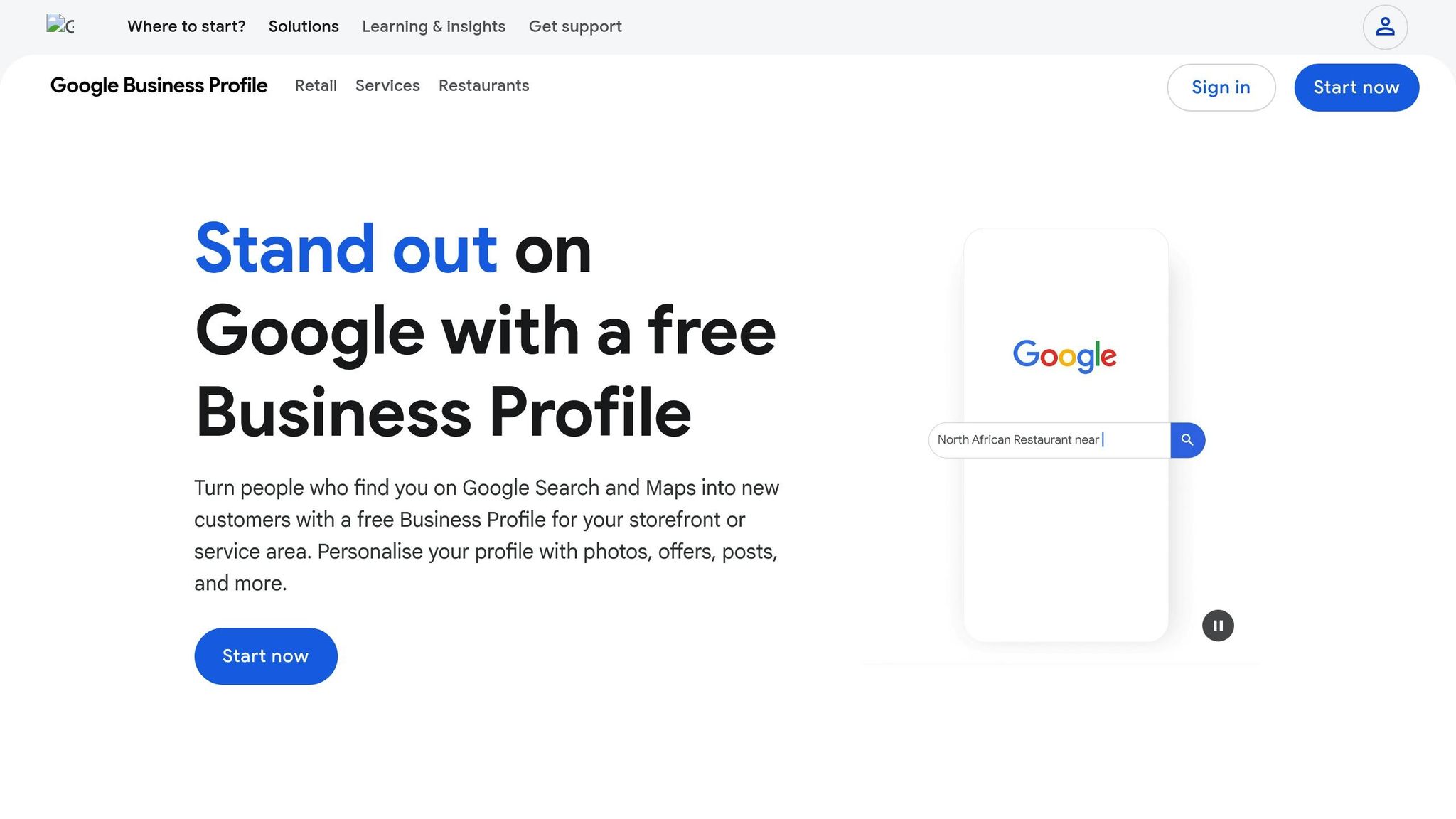
Your Google Business Profile (GBP) continues to be one of the most powerful tools for local SEO. While the fundamentals of GBP management haven’t changed much in recent years, there are some nuances that can elevate your visibility.
Key Steps for GBP Success
- Claim and Verify Your Profile: Ensuring your business is verified is the first step.
- Optimize Your Profile: Add accurate business categories, location details, and operational hours. If possible, include keywords in your business name (legally, through a DBA if necessary).
- Encourage Reviews: Customer reviews are critical. Not only does the volume of reviews matter, but their recency has become a significantly more important ranking factor in 2026.
The Role of Reviews
Recent studies show that recent reviews now rank as the 11th most important factor for GBP optimization, compared to 20th just a few years ago. This means businesses need a steady flow of fresh, high-quality reviews to maintain their rankings.
Proximity to the Searcher
While proximity remains a factor largely outside your control, focusing on GBP optimization and earning reviews across the areas you serve can help expand your visibility.
3. Build High-Quality Backlinks
Backlinks are often misunderstood, but they are essential for building authority - Google’s measure of trust in your website. For local SEO, the focus should be on acquiring locally and industry-relevant backlinks.
Types of Backlinks to Pursue
- Local Backlinks: These come from local directories or organizations. For instance, getting listed on Yelp with a link to your website is a great example.
- Industry-Specific Backlinks: Examples include law firms getting listed on Justia or real estate agents on Zillow.
- Competitor Analysis: Examine the backlinks your competitors have and build a similar, natural backlink profile.
How to Avoid Mistakes
Backlink building doesn’t need to be intimidating. Avoid spammy or irrelevant links, as they can harm your SEO. Instead, focus on creating a diverse and balanced profile over time.
4. Tracking Results: The Unsung Hero of SEO
Tracking your results is essential to understand whether your SEO efforts are yielding meaningful outcomes. Without proper measurement, you risk wasting time and resources.
Tools for Tracking
- Geo Grids for Map Pack Rankings: Tools like Whitespark Geo Grids and Local Falcon are excellent for measuring how your business appears in specific geographic areas.
- Rank Trackers for Organic Results: Affordable options like Serpfox allow you to monitor your rankings over time and see trends.
- Google Search Console and Analytics: These free tools help monitor impressions, clicks, and user behavior on your website.
Focus on tracking two key metrics:
- Map Pack Rankings: This is critical because over 50% of clicks for local searches happen here.
- Organic Rankings: Ensure you maintain visibility in the top results.
5. Conduct Effective Keyword Research
Keyword research forms the backbone of any SEO strategy, and it’s vital to target the right terms for your business. In 2026, AI tools may assist, but they cannot replace human judgment.
How to Approach Keyword Research
- Use Google Keyword Planner: This free tool provides data on search volume and competition within your local area.
- Group Keywords into Clusters: Organize keywords into related groups to create service-specific pages. For example:
- Metal Roofing > Copper Roofing
- Composite Roofing > Asphalt Shingles
Avoid Over-Reliance on AI Suggestions
AI tools like ChatGPT can provide starting points for keyword ideas, but they often lack accurate search volume data. For reliable insights, always verify search terms using trusted SEO tools.
6. The Role of AI in Local SEO (The Big Secret)
One of the biggest questions for 2026 is how to get AI-driven tools like ChatGPT to recommend your business. Here’s the reality: AI search engines rely on foundational SEO practices, particularly relevancy and authority. To ensure your business is included in AI-generated recommendations:
- Focus on ranking high in Google’s search results (blue links and the Map Pack).
- Build trust and authority through backlinks and reviews.
- Maintain well-structured, optimized content on your website.
While AI tools may change the way people search, the fundamentals of SEO remain the same. A strong local SEO foundation is still your best bet for future visibility.
Key Takeaways
- Your Website: Create dedicated service and location pages using geo-specific keywords to improve relevancy.
- Google Business Profile: Optimize your profile, encourage steady reviews, and focus on local keywords.
- Backlinks: Prioritize acquiring local and industry-relevant links for authority building.
- Track Results: Use tools like geo grids and rank trackers to monitor your progress in the Map Pack and organic results.
- Keyword Research: Use Google Keyword Planner or similar tools to identify high-value, local keywords.
- AI Search: AI tools like ChatGPT pull data from Google and directories, so traditional SEO practices remain crucial for visibility.
- Focus on Recency: Consistently update reviews and content to stay relevant in evolving algorithms.
- Affordable Tools: Start with budget-friendly options like Whitespark or Serpfox to get foundational insights.
In conclusion, succeeding in local SEO for 2026 means mastering the basics while adapting to emerging trends like AI-driven search. By optimizing your website, managing your GBP effectively, building quality backlinks, and tracking results, you’ll ensure your business stays ahead of the competition. Remember, the fundamentals of SEO are still relevant - only now, they pave the way for cutting-edge opportunities in AI-enhanced search. Take action today to set your business up for long-term growth.
Source: "Local SEO For Beginners (2026 Complete Guide)" - Thencan Designs Bend Web Design + SEO, YouTube, Jan 5, 2026 - https://www.youtube.com/watch?v=iuhbw47DkFw